
What Nobody Tells You About Travelling in Extreme Heat
Photo by Drew Harbour
Photo by Danish Puri
Photo by Derek Thomson
Photo by Danish Puri
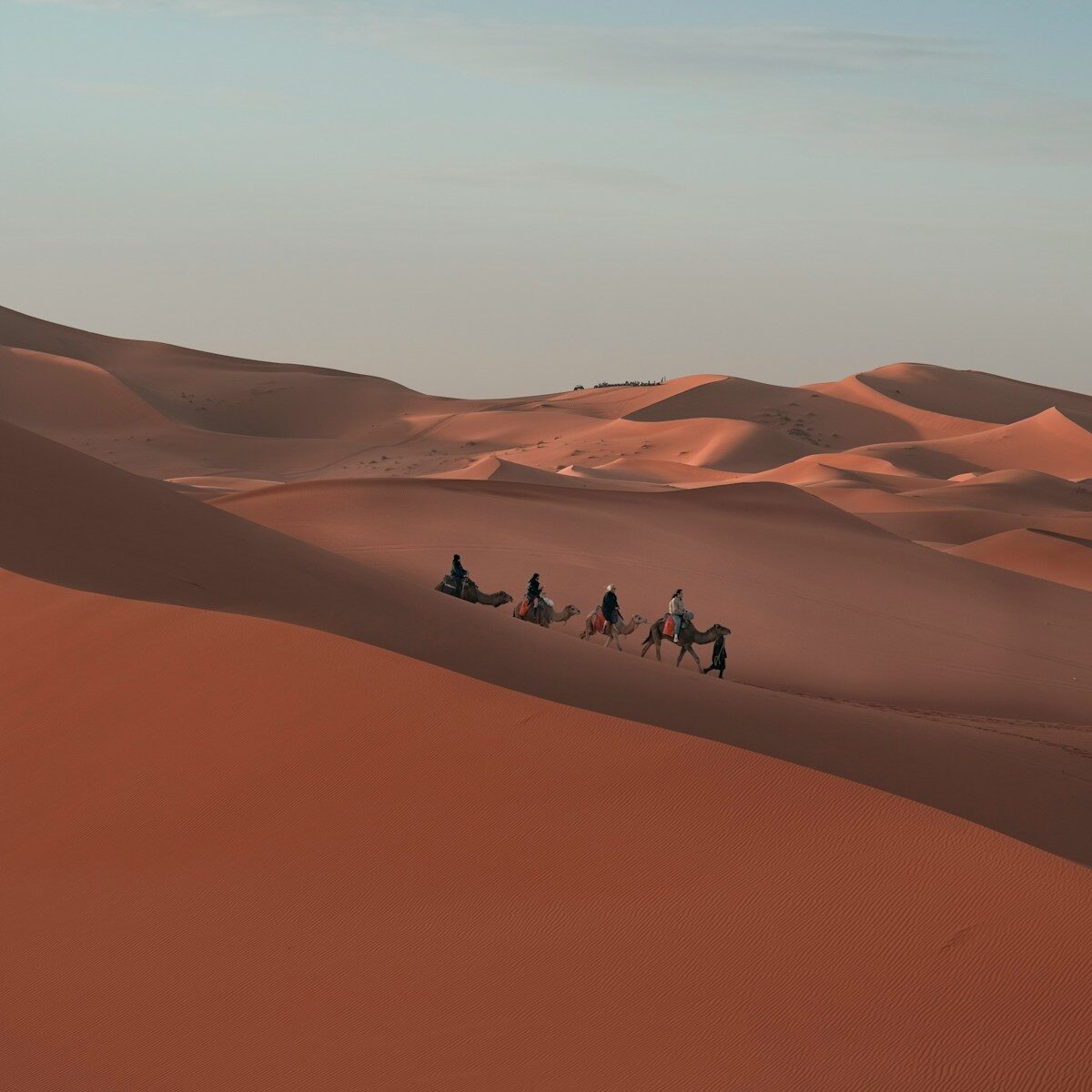
What Nobody Tells You About Travelling in Extreme Heat
Most travel advice about hot destinations concerns itself with sunscreen factors and the importance of a hat. This is sensible as far as it goes, which is not very far. What the standard advice rarely covers is the more fundamental adjustment that travelling in genuine heat — 40°C and above, the kind that shimmers off pavement and makes thinking feel effortful — requires of your entire approach to a day.
The first and most important shift is temporal. In cities like Seville, Marrakech, or Rajasthan’s Jaipur during peak summer, the midday hours between roughly noon and four in the afternoon are not inconvenient — they are genuinely hostile to any purposeful activity. The locals have understood this for generations, which is why the streets empty, the shutters close, and the cafés fill. Fighting this rhythm by pressing on through ancient medinas in 43°C heat is not adventurous; it is merely counterproductive. Embracing it — retreating to your accommodation, reading, resting — means arriving at the late afternoon with energy intact and the city, now cooling slightly, coming back to life around you.
Hydration advice tends to be stated but not sufficiently emphasised. Thirst, in extreme heat, is a delayed signal — by the time you feel it, you are already behind. Carry water at all times, drink before you feel the need, and supplement with electrolytes on days involving significant walking. A headache that arrives mid-afternoon in a hot city is almost always dehydration, not the heat itself.
Clothing choices confuse visitors from cooler climates. The instinct is to wear as little as possible. But a more experienced approach, and the one practised by people who actually live in hot places, is to wear loose, lightweight, light-coloured layers that cover the skin. Linen and cotton breathe; synthetics trap heat. Covered skin stays cooler than exposed skin because it is shielded from direct sun while still allowing airflow. This feels counterintuitive until the first time you try it and find yourself considerably more comfortable than the tourist in shorts and a vest who is visibly suffering beside you.
Finally: lower your ambitions for what a day can contain. Heat slows everything — digestion, decision-making, physical movement. A day in extreme temperatures might yield two proper sightseeing stops rather than six. This is not failure. It is accurate expectation-setting, which is the foundation of almost all good travel.

Written by leasaysstuff
More From This Category
The Case for Keeping a Journal
The Case for Keeping a JournalThe journal has suffered somewhat from its associations. On one side, the leather-bound, fountain-penned version favoured by a certain kind of aspirational stationery enthusiast — beautiful as an object, rarely actually written in. On the...
The Case for Keeping a Journal
The Case for Keeping a JournalThe journal has suffered somewhat from its associations. On one side, the leather-bound, fountain-penned version favoured by a certain kind of aspirational stationery enthusiast — beautiful as an object, rarely actually written in. On the...
How to Pack a Carry-On for a Two-Week Trip
How to Pack a Carry-On Bag for a Two-Week TripThe checked bag is a psychological comfort blanket. The knowledge that you have options — that three pairs of shoes are available should circumstances require them, that a different jacket exists if the weather turns —...
0 Comments